
Facelift
If you are considering a facelift, Summit Plastic Surgery is the premier provider in the Fort Wayne/Northeast Indiana region. Our surgeons have performed literally hundreds of procedures with exceptional results.

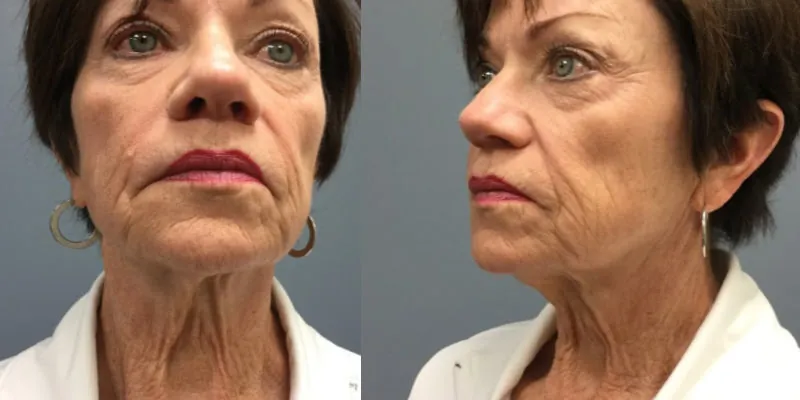
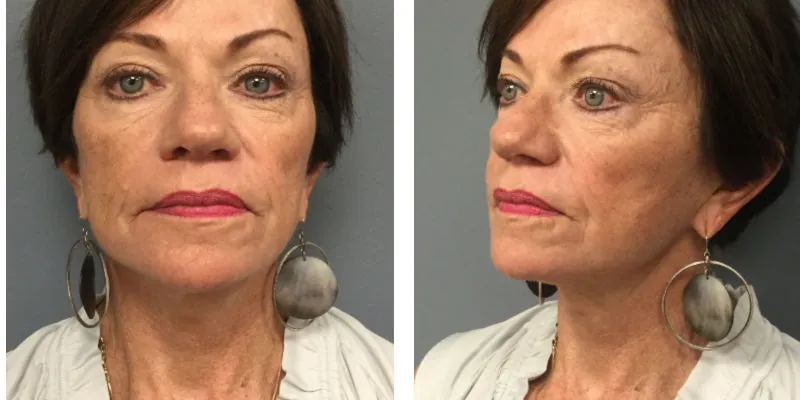
A facelift (rhytidectomy) addresses the signs of aging that show up in the lower face and neck, including sagging skin, folds around the mouth, jowls along the jawline and a general loss of definition. Modern facelift approaches have moved well beyond the tight, pulled look of decades past. By repositioning the deeper tissues of the face rather than simply pulling back the skin, today's techniques are much better adapted to preserve your natural features while still producing a powerful anti-aging effect.
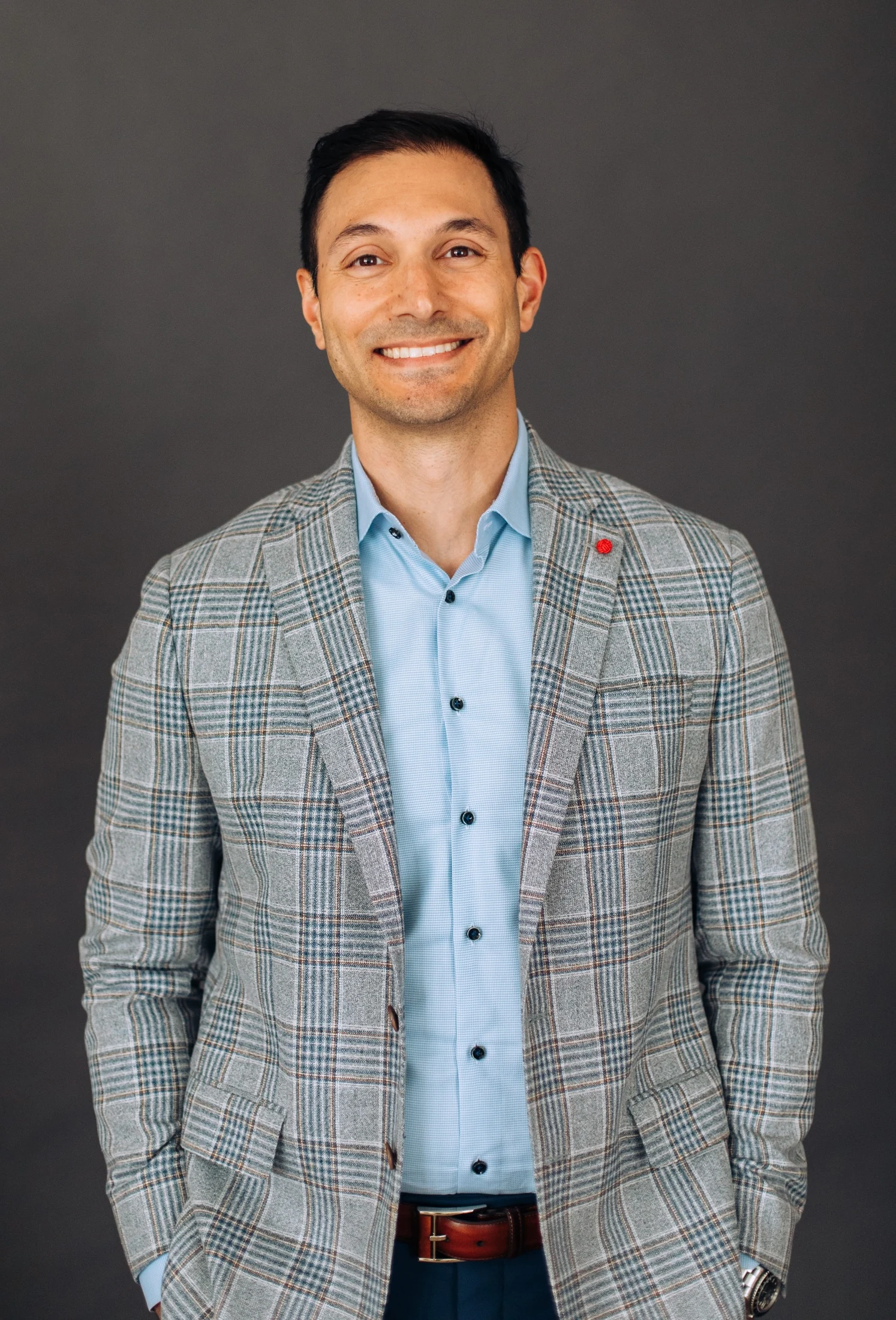
At Summit Plastic Surgery, aesthetic facial surgery is a primary focus of Dr. Samuel Corey. He is a double board-certified plastic surgeon serving Fort Wayne and the surrounding northeast Indiana communities, and he carefully plans every facelift around your anatomy, your goals and the degree of change you are hoping to see. You will leave your consultation understanding what a facelift can do, what it cannot do and which approach fits you, before you ever set a date.
Facelift Surgery at a Glance
| Procedure | Surgical rejuvenation of the lower face and neck — deep plane, SMAS and mini techniques; cosmetic |
|---|---|
| Anesthesia | General or IV sedation (confirmed at consultation) |
| Procedure Time | About two to four hours, depending on the technique and whether procedures are combined |
| Setting | Accredited outpatient surgical suite |
| Recovery Basics | Swelling and bruising for about two weeks; head kept elevated and a chin wrap worn early on; results continue to refine over several months |
| Return to Work | Often 10 to 14 days (varies by case) |
| Results Longevity | Long-lasting; typically turns back the clock several years, though natural aging continues |
| Common Pairings | Eyelid surgery (blepharoplasty), brow lift, neck lift, fat transfer, laser skin resurfacing and injectables |
| Insurance | Not covered (cosmetic) |
| Cost | TBD |
| Financing | Available — CareCredit or PatientFi |
| Consultation | Required to confirm candidacy and choose the right approach |
What Happens During a Facelift?
The target of most full facelift approaches (see below for more information on specific variants) is a layer of muscle and connective tissue called the SMAS, which stands for superficial musculoaponeurotic system. With age, this layer of tissue and the ligaments that support it gradually loosen and descend, causing jowling and a loss of definition. A modern facelift works at this level of tissue, not just the skin on top, allowing for more significant and sustainable results. Your exact experience will vary depending on the approach Dr. Corey has tailored for you, but in general, he will begin by placing incisions in discreet locations. Common incision sites include the hairline and the area around the ear. He will then lift and reposition the underlying tissue, including that of the neck and jawline, as needed. After this main step, he will close incisions in layers so scars heal as discreetly as possible.
Facelift Techniques at Summit
A facelift is not a single operation. The right approach depends on how far the deeper tissues have descended, how much loose skin you’re dealing with and how significant a change you are seeking. Dr. Corey selects the technique that best fits these circumstances and explains why he recommends it in plain language.
Extended (Deep Plane) Facelift
The deep plane facelift is the most comprehensive option. Rather than tightening the skin and the SMAS separately, it releases the ligaments that tether the face and repositions the deeper tissue and the skin above it together as a single unit. Because the lift comes from that deeper layer, the skin is not placed under tension, which produces a refreshed, natural look and helps the result last. This approach suits more advanced sagging in the midface, jowls and neck, and patients who want the fullest correction a facelift can offer.
Full (SMAS) Facelift
A full facelift tightens and resuspends the SMAS layer, then redrapes the skin over that newly restored foundation. This can be done through SMAS plication, a technique that involves folding and securing the tissue with sutures, or through a SMAS-ectomy, in which a strip of the tissue is removed before the edges are brought together. Both methods firm the lower face and jawline, and both are solid choices for people with moderate to more advanced laxity who want comprehensive results for the lower face and neck.
Mini Facelift
A mini facelift addresses early signs of aging through shorter incisions. It targets mild jowling and loosening along the lower face and jawline before deeper structural descent has set in. Because it is less extensive than a full or deep plane lift, the recovery process tends to run shorter. For the right candidate, frequently someone in their 40s or early 50s noticing the first changes, it can deliver a significant refresh with less downtime.
Mini Facelift: Revision
Aging continues after any facelift, and some patients return years later wanting to refine their previous results. A revision mini facelift is a more limited procedure that addresses this continued change or fine-tunes the outcome of a previous lift. Revision surgery calls for particular care, since the tissue planes and scar patterns from the first operation have to be respected. Dr. Corey will assess your prior surgery and talk candidly about what a revision can realistically accomplish.
Recovery and Aftercare
Most patients take about two weeks for the visible part of recovery, and many return to desk work in 10 to 14 days. Swelling and bruising are most noticeable in the first few days and ease steadily from there. Numbness and a feeling of tightness are normal early on and resolve gradually as the tissues settle, while the incision lines continue to soften and fade over the months that follow.
A few habits make recovery smoother:
- Keep your head elevated. For the first week, sleep in a recliner or propped on pillows so your head stays above your heart. This limits swelling and bruising.
- Wear your chin wrap. You will wear a supportive wrap for at least the first week to hold the tissues as they heal.
- Take it easy. Avoid lifting, bending and anything that raises your heart rate or blood pressure for the first week or so, since that can worsen swelling and bruising.
- Expect a quick follow-up. Dr. Corey typically sees you the day after surgery to check your progress, with sutures usually removed about a week later.
It helps to arrange for someone to drive you home and help for the first day or two, fill any prescriptions in advance and set up a comfortable recovery spot. Dr. Corey's team will give you detailed, personalized instructions so you know what to expect at every stage.
Why Choose Summit Plastic Surgery for a Facelift?
A facelift rewards a surgeon with a trained eye for facial proportion, and aesthetic facial surgery is exactly where Dr. Corey concentrates. He is a double board-certified plastic surgeon who earned his medical degree at the Indiana University School of Medicine, completed a general surgery residency at Mercer University in Savannah, Georgia, and finished a fellowship in plastic and reconstructive surgery at the University of Louisville. He also stays close to where the field is heading. Dr. Corey regularly travels to observe and learn emerging techniques from colleagues around the country. Just as important, Dr. Corey will give you an honest picture of what a facelift can and cannot do for your face. His goal is to help northeast Indiana see cosmetic surgery done thoughtfully, safely and well, by a surgeon who is personally invested in the result.
“Dr. Corey has a great bedside manner as well as being very professional.” Tami, Healthgrades
Results You Can Trust: Schedule Your Facelift Consultation Today
The clearest next step is a simple and honest conversation. In a consultation with Dr. Corey, you will talk through what is bothering you, learn which facelift technique fits your face and leave with a personalized plan and a realistic picture of recovery and results. If you are considering a facelift in Fort Wayne or anywhere across northeast Indiana, Summit Plastic Surgery would be glad to meet you.
Facelift: Common Questions
Who is a candidate for facelift surgery?
Good candidates are bothered by loose skin, wrinkles or sagging in the lower face and neck, are in good general health and have realistic expectations. The surest way to know is a consultation, where Dr. Corey examines your face and talks through whether a facelift, a less invasive option or a combination makes the most sense for you.
Will my facelift look natural?
That is the goal, and it is largely why modern techniques exist. By repositioning the deeper tissue of the face rather than simply pulling the skin tight, today's facelifts avoid the windswept look people worry about. Dr. Corey designs each lift around your own features, so you still look like yourself, only more rested.
How long do facelift results last?
A facelift effectively turns back the clock several years, often five to 10, and natural aging then resumes from that younger starting point. A healthy lifestyle, sun protection and a stable weight all help your result hold. Many patients maintain their outcome over time with less invasive treatments.
Do I have to have my whole face done?
No. You can focus on the areas that concern you most, and Dr. Corey will recommend what best fits your situation. For some people that means a full facelift; for others it is a more targeted procedure or a mix of surgical and less invasive treatments.
What is the difference between a mini and a full facelift?
A mini facelift uses shorter incisions and a more limited lift to address early jowling and mild laxity, usually with a quicker recovery. A full or deep plane facelift corrects more significant sagging in the lower face and neck. Which one fits depends on how much change is present and what you want to achieve.
What are the risks of a facelift?
A facelift is generally safe in experienced hands, but as with any surgery, there are risks. These can include bruising, swelling, numbness and tightness, and less commonly bleeding, infection, poor scarring, temporary hair thinning near the incisions or changes in facial nerve function. Dr. Corey reviews these with you and takes steps to keep your procedure as safe as possible, including asking smokers to quit beforehand.